FAQs and Guides
Found a lost, stray or feral cat and not sure what to do?
Read Our Advice Guide To Find Out More
What Do I Do If I've Found A Cat?
Most cats are, by nature, inclined to roam the area surrounding their home. You’re likely to come across a stray cat on your travels, although it might be tricky to find out whether they’re a stray cat, a feral or in fact an owned cat with a sense of adventure. So what should you do if you’ve found a cat?
- Avoid feeding them unless they’re particularly underweight. Feeding them will only encourage the cat to come back, even if they have an owner.
- List the cat on your local community Facebook page or put up posters.
- If you think the cat may have been neglected or treated cruelly, contact the RSPCA.
- If you’re able, and the cat seems comfortable and open to being handled, we’d recommend taking the cat to a vet to be checked for a microchip. Always transport a cat in a very secure carrier – and hold underneath the carrier for extra safety. Do not transport cats lose in the car or in a cardboard box.
- Find out more about safely handling cats.
If the cat doesn’t have an owner, contact your local Cats Protection as they will provide guidance and support.
How To Check If A Cat Has A Microchip
Microchips are now a legal requirement for all cats – and owner’s details should be kept up to date. Sadly, this isn’t always the case. The best way to determine the specific details about a cat is held on its chip. Many vets and animal welfare organisations scan lost cats for microchips. If you’ve found a cat you think may be stray or lost, contact your local vet or a local cat rescue group to ask if they can scan them for a microchip.
Should I Feed A Stray Or Lost Cat?
It can be really tempting to feed an unfamiliar cat if you think they’re lost or a stray, but it’s best not to. Some cats might be on a special diet or have a medical condition that needs a particular type of food. Feeding them something different might seriously upset their tummy or stop them getting all the important nutrients they need.
Feeding an unfamiliar cat can also keep them coming back to you. If they are owned, this will upset their owner as it means the cat won’t be leaving in a hurry to return home! If you already have a cat, it will be unsettling for them too and might cause them to become stressed.
Instead of feeding an unfamiliar cat, follow the Cats Protection checklist to help them.
How Do I Know If A Cat Is Feral, Stray Or An Owned Cat?
Before you do anything, it is important to think about whether the cat you’ve found is a stray, a feral or an owned cat. If they appear well-groomed and are a healthy weight, they may have an owner nearby and wandered into your neighbourhood. They could be new to the area, and just checking things out, but they also could have got lost and wandered too far from their home.
Some cats that have been abandoned, will be frightened as they are living in an unknown environment. People may have thrown things at them for them to go away, or other cats may have been fighting with them – these cats aren’t feral but they are terrified and also won’t come near to you due to fear.
Ferals behave like wild animals and won’t come close, even with encouragement. Stray cats might look lost and disorientated, but may be friendly if given time. Check out our guide for more tips on how to identify the cat you have found.
Stray Or Feral, Whats The Difference?
Stray cat
Stray cats are socialised domestic cats who don’t appear to have an owner. Be wary; even if they ‘stray’ they might be a neighbourhood cat who’s worked out that if they look hungry they can bag themselves another meal!
Stray cats are likely to be:
- more friendly. If they’re a little shy they will often approach cautiously with some time and encouragement
- found alone
- without an ear tip. They won’t have their ear ‘tipped’, even if they have been neutered
- appear near houses, either in people’s gardens or near homes
- microchipped. If they are a missing pet, they may have a microchip
- recent changes in their appearance, looking lost and disorientated
Feral cat
Feral cats are the same species of cat as our pet cats, but are not socialised to humans or the domestic environment. This means they behave like wild animals.
Feral cats are likely to be:
- not friendly. Unsocialised to humans, feral cats find people threatening and can be hard to spot. They won’t come close, even with encouragement
- living alone or with others. Sometimes, they might live in a colony with other feral cats
- ear tip. They may have their left ear ‘tipped’ to show they have been neutered and returned
- away from houses. They’ll avoid human contact and often have a hiding spot away from populated areas
- not microchipped. Most feral cats don’t have a microchip
- permanent. They are more likely to have set u
What To Do If You Find A Pregnant Cat
Think you’ve found a pregnant cat or a cat with kittens and wondering what to do next? Follow our step-by-step guide.
- If the cat allows, check their tummy, carefully and without startling them. If the mammary glands appear more prominent, the cat may be still nursing her young
- Take the cat to the vet by safely wrapping them in a blanket or putting them in a basket or at worse a very strong box. The vet will be able to scan for a microchip, which is vital in locating an owner and may also lead to finding the location of any kittens
- If safe to do so, go back to the area where the cat was, do not remove mum as she may still be feeding the kittens. Try to follow where she goes to. Have a look around the area for any signs of kittens. Check under bushes and shrubs, and listen out for their cries
- If you’re unsuccessful in locating an owner and kittens, you might want to put up posters locally and post on social media letting people know that there may be a litter of kittens somewhere. In the post, remind people to check their gardens and any outbuildings, as well as asking the owner to get in contact
Still Need Help? Contact Us Below
Request To Help An Owned Cat
Request To Help An Unowned Or Injured Cat
A Step-By-Step Guide To Helping Kittens You Find Alone Without Their Mum
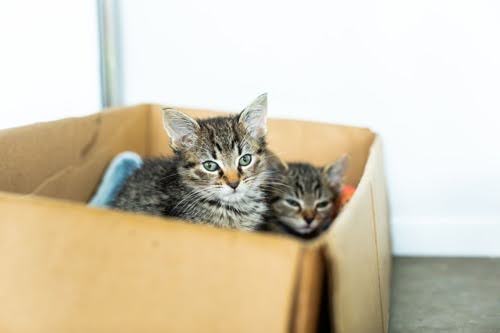
If you find kittens who appear to be abandoned or orphaned, you might think it’s best to pick them up and get them to safety. But this might not be the best thing to do for the kittens. It’s important to keep calm and assess the situation first.
Should you handle newborn kittens?
It’s possible that the mother cat is still looking after the kittens. She may have been temporarily scared away by something, or be out searching for food.
Unless the kittens are in direct danger, keep away from them for three to four hours. Then check back to see if the mum has returned.
You could even leave some cat food nearby to entice the mum back to her kittens.
It’s best for kittens to remain with their mother for the first eight weeks of their life. They get important antibodies from her milk that help protect them from infectious diseases.
They also learn useful skills and behaviours from her. If you try to handle or move newborn kittens when their mum is still caring for them, she may reject them or even kill them.
If the kittens are in direct danger
Try to get a good look at the kittens from a safe distance. If they look cold, wet or sick, or their environment is not safe, contact one of the following:
a local vet
Local cat rescues (see further down on this page)
the RSPCA (for England and Wales)
the USPCA (for Northern Ireland)
the SSPCA (for Scotland)
They will be able to give you advice on the best way to help the kittens. Or they may be able to come and collect them and take them to safety.
If the mum comes back to the kittens
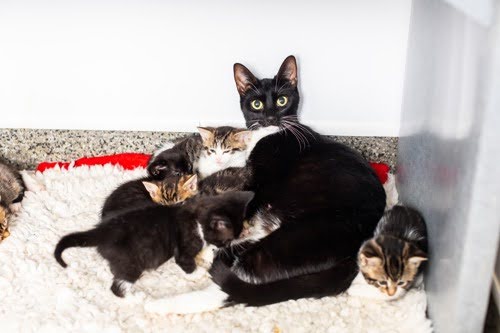
If the kittens appear healthy and you see the mum return to care for them:
- do not disturb the mum and kittens. The mum will be best placed to look after her kittens and keep them safe. If you approach or handle the kittens, you may scare the mum away again and risk her not returning
- if you’d like to provide them with some protection from the elements, you could set up some shelter nearby. For example, a sturdy box turned on its side. Don’t move the kittens yourself though, leave the mum to do this if she wants to
- if you’d like to leave some food and water for the mum cat, place some kitten food in a bowl nearby. Kitten food is high in calories, which mum cats need while they are feeding young kittens. Keep fresh water topped up in a shallow bowl nearby. Make sure the kittens can’t accidentally fall into it and drown
- contact the local Cats Protection who will be able to get the mum cat and kittens neutered once the kittens are old enough. If the mum is a friendly stray they will also be able to check her for a microchip to see if she has an owner.
If she doesn’t have an owner they can then find her a new home. If she is a feral cat, they will neuter her and return her to her familiar territory.
If the kittens have not been socialised to humans in their first eight weeks, then they will be feral. They will need to be neutered and returned to their territory. Find out more about neutering.
If the mum does not come back to the kittens
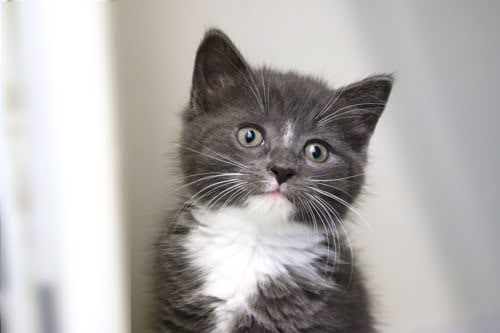
Abandoned kittens cannot survive for very long without food and warmth. If the kittens have been alone for over four hours and the mum has not returned:
- try to determine the age of the kittens using our kitten aging chart. This will be useful for working out what level of care they need
- contact someone to to see if they can take the kittens in and hand-rear them. This could be a local vet, the local Cats Protection, the RSPCA (for England and Wales), USPCA (for Northern Ireland) or SSPCA (for Scotland)
- if the vet or charity does not have the capacity to help, you can hand-rear the kittens yourself. But be aware that this is a very time-intensive process. Young kittens need round-the-clock care
Other Charities and Organisations that you can go to.
As we are a small charity run only by volunteers, we don’t always have the capacity to help every person that comes to us with a cat.
Here are some of the charities and organisations both nationwide and sheffield based that we recommend.